 ↗
PACKAGING VENT LINERS
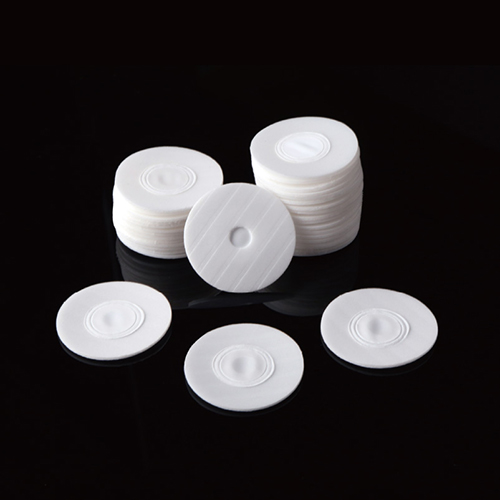
Grooved Foam Vent Liner
A grooved foam liner that creates a controlled vent path inside the closure while maintaining resilient sealing contact.
VENTED CLOSURE LINERS FOR CHEMICAL PACKAGING
Packaging vent liners integrate breathable membrane technology into cap liners and die-cut gaskets to support controlled pressure equalization without adding a separate external vent.
PRODUCT SELECTION
Specify the cap diameter, liner thickness, closure construction, liquid chemistry, barrier requirement and expected pressure behavior. Options include PE foam, grooved or perforated foam, high-barrier PE and PET aluminum foil laminates.
Discuss your application ↗6 AVAILABLE PRODUCTS
↗A grooved foam liner that creates a controlled vent path inside the closure while maintaining resilient sealing contact.
 ↗
A PET aluminum foil vent liner for liquid fertilizer, pesticide and chemical packaging requiring barrier performance and pressure equalization.
 ↗
A flexible PE foam vent liner for container closures that combines sealing support with controlled pressure equalization.
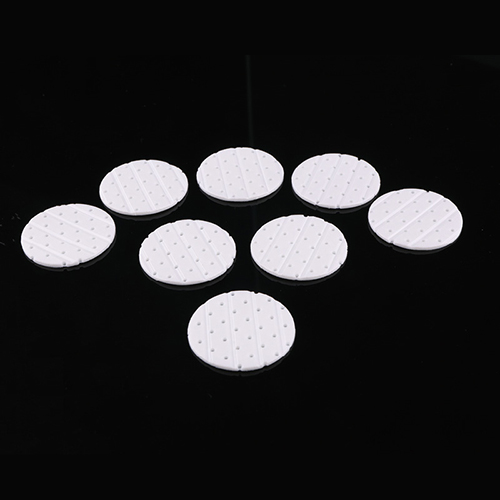 ↗
A perforated foam liner using multiple vent paths to support stable airflow across a broad closure interface.
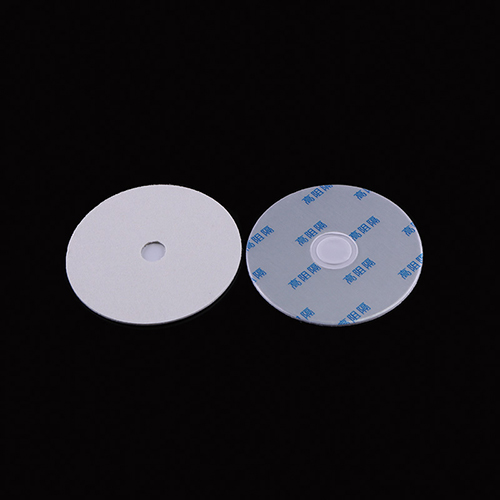 ↗
A 0.8 mm high-barrier PE foil liner for chemical closures requiring controlled breathing and strong barrier performance.
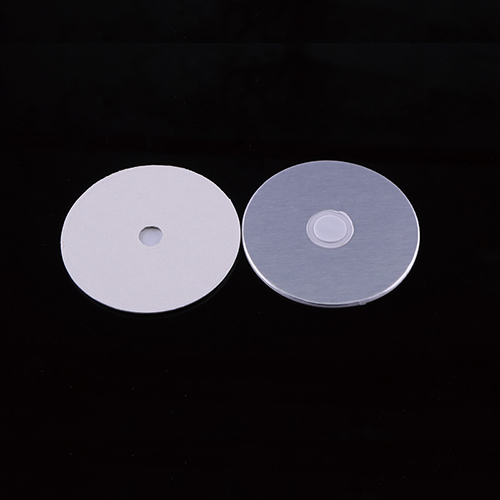 ↗
A 1.0 mm PE aluminum foil vent liner for agrochemical and industrial packaging that must manage pressure without sacrificing closure barrier performance.
FREQUENTLY ASKED QUESTIONS
Share the application, installation dimensions, target airflow, environmental exposure, protection target, operating temperature and expected order quantity.
Yes. Housing interfaces, membrane formats, liner diameters and converted shapes can be reviewed against drawings and assembly requirements.
Specifications are confirmed for the selected construction and agreed test conditions before production.